How to Play the Festival Game: A Tactical Roadmap for Underground Alt-Rock Bands
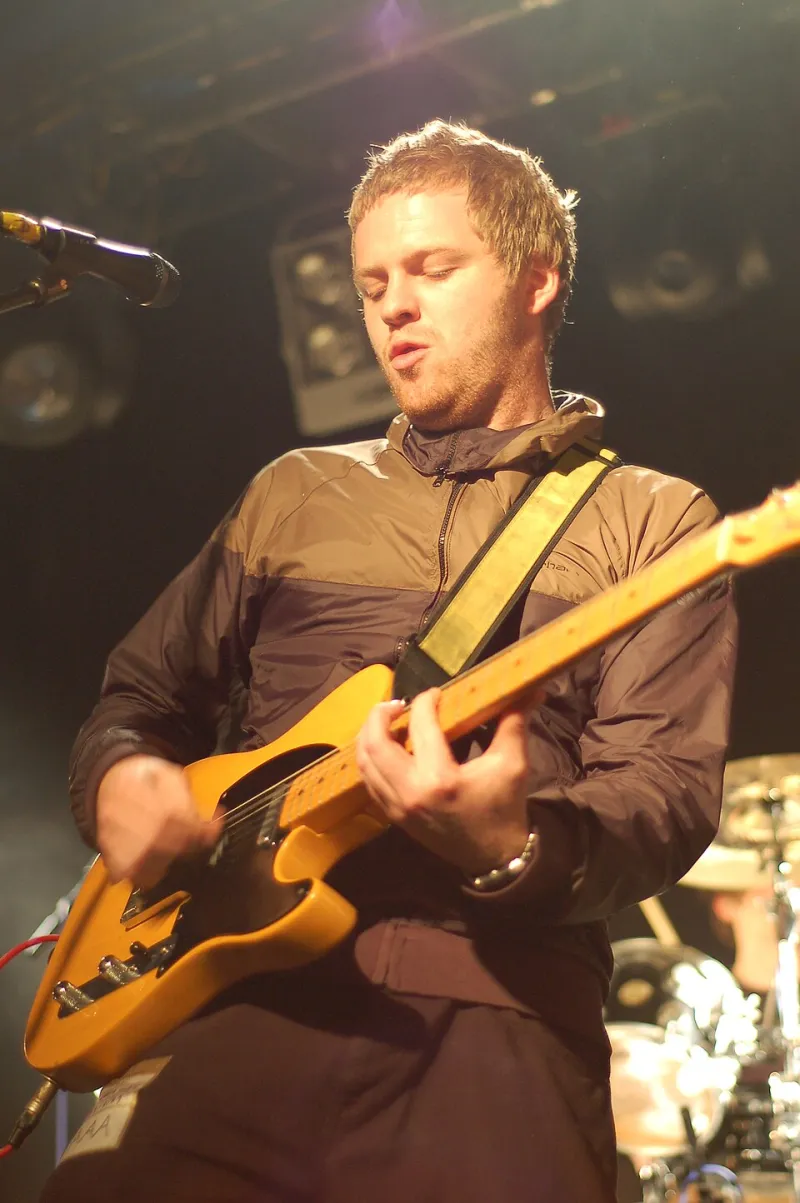
Photo: автор, Public domain, via Wikimedia Commons
Every summer, thousands of bands get festival slots. Most of them play their set, pack up the van, and drive home. A small handful walk away with new booking agents, label interest, and a fanbase that doubled in three months.
The difference isn't talent. It's strategy.
Festival season in the US is genuinely one of the most efficient mechanisms for building a national following that exists in independent music right now. But it only works if you treat it like a campaign, not a calendar of fun shows. Here's what the bands who are actually leveling up are doing differently.
Pick Your Festivals Like You're Building a Map
The first mistake most emerging bands make is applying everywhere and taking whatever they get. That's not a strategy — that's hoping. The bands who use festival season as a growth engine are deliberately targeting events based on geography, audience overlap, and industry presence.
Think about it regionally first. If your base is in the Southeast, you're probably already working markets like Atlanta, Nashville, and Charlotte. A festival in the Midwest or the Mountain West isn't just a show — it's a market entry. Each region has its own ecosystem of local press, promoters, and tastemakers, and a well-played festival set in a new region can open doors that years of cold outreach can't.
Then think about audience overlap. A 3,000-person alt-rock festival with the right lineup is worth more to your band than a 15,000-person festival where your genre is one of eight. You want rooms where the people who show up for the headliner are also exactly the people who would love your band. That specificity matters more than size.
Finally — and this is the one bands skip most often — look at who else is on the bill. Not just the headliners, but the mid-card acts. Those are your peers, your potential touring partners, and your introduction to a whole new booking network.
The Application Is Marketing
Your festival application is not a formality. It's the first impression you make on a booker who probably receives hundreds of submissions and has about ninety seconds to decide if you're worth a second look.
EPKs (electronic press kits) need to be clean, fast-loading, and specific. Skip the three-paragraph band bio that starts with "formed in [city] in [year]." Lead with what makes you undeniable. What does your live show do that nobody else's does? What does your sound feel like? Why does your band matter right now?
Video matters enormously here. A single well-shot live video — even from a phone, if the sound is good and the energy is real — does more work than a thousand words of press copy. Bookers want to know if you can hold a room. Show them.
Personalize every application. Find out who books the festival, reference something specific about their lineup or their audience, and make a direct case for why your band fits. Generic applications get generic results.
Arrive Early, Stay Late, Talk to Everyone
Here's the thing about festivals that touring doesn't replicate: the entire industry is in one place. Bookers, managers, journalists, label scouts, sync licensing reps, and a few hundred potential superfans are all on the same festival grounds for two or three days. That's an absurd concentration of opportunity.
Bands that treat festival appearances as purely musical events leave most of that opportunity on the table.
Arrive a day early if you can manage it. Walk the grounds. Introduce yourself to other bands on the bill — genuinely, not transactionally. Go watch sets. Talk to the people running the merch tent, the stage managers, the local promoters who helped put the event together. These are the people who will remember you when a support slot opens up on a tour that comes through their city six months from now.
And after your set — don't disappear. Stick around. Be findable. The conversation that happens at the bar after your performance is sometimes more valuable than the performance itself.
Make the Set Do Specific Work
Your festival set is not just a greatest hits showcase. It's a thirty-to-forty-five-minute argument for why people should care about your band. Build it accordingly.
Festival crowds, especially at multi-stage events, are often seeing you for the first time. That means your opening thirty seconds need to hit hard enough to make people stop walking. Lead with energy. Save the nuanced, slow-burn stuff for your headlining shows where people came specifically to see you.
One tactic that works well: close with something that functions almost like a calling card. A song that's visceral, memorable, and ideally something that makes the crowd do something — move, shout, lose their minds a little. You want the last thing they feel before you walk off stage to be something they'll describe to a friend later.
Keep stage banter tight. Festival crowds respect bands that respect their time. Say what you need to say, make it count, and keep the music moving.
The Post-Festival Push Is Where It Actually Pays Off
Here's where most bands drop the ball completely: the work that happens after the festival is as important as the set itself.
Within forty-eight hours of your appearance, you should be:
- Posting content from the set across every platform (video clips, photos, crowd shots — anything that proves the room was alive)
- Following up personally with every industry contact you made on-site
- Tagging the festival and your fellow performers in social posts in a way that invites engagement rather than just broadcasting
- Adding every new city you played to your "we've been here" map and starting to research what venues and promoters operate in that market
The festival slot is a seed. The follow-through is the water. Bands that skip the follow-through planted seeds and walked away from the garden.
Case in Point: The Bands Doing It Right
Look at how some of the sharper underground acts in the current US alt-rock scene have handled this. Bands like Mannequin Pussy, Amyl and the Sniffers (who broke into the US market partly through strategic festival presence), and a wave of newer acts building out of cities like Philadelphia, Denver, and Austin have all used festival circuits not as endpoints but as introductions.
The pattern is consistent: targeted applications, high-energy sets, aggressive post-show relationship building, and treating each festival as a door into a new regional market rather than a standalone event.
The Bottom Line
Festival season is a game. The bands that win it aren't always the most talented ones — they're the most intentional ones. They know why they're at each show, what they want to walk away with, and how to make every minute of their time on that ground count.
For an underground alt-rock band trying to build something real and national, summer festival season is one of the most powerful tools available. But only if you pick up the tool and actually use it.
Turn it up. Feel it down. And for the love of everything loud, follow up on your emails.