Smaller Stages, Louder Truth: Why Alt-Rock's Brightest Acts Are Choosing Sweat Over Square Footage

There's a particular kind of magic that only exists when the ceiling is low enough to touch, when the kick drum vibrates through the concrete floor and straight up through the soles of your shoes, when the singer is close enough that you can see the sweat on their collar before the second song even ends. It's not glamorous. It's not scalable. And for a growing number of alt-rock acts across the US, it's exactly the point.
We've been watching this shift build for a while now — bands who've done the work, built the following, and earned the right to step into bigger rooms making a deliberate, almost defiant choice to stay small. Not because they have to. Because they want to.
The Theater Problem Nobody Talks About
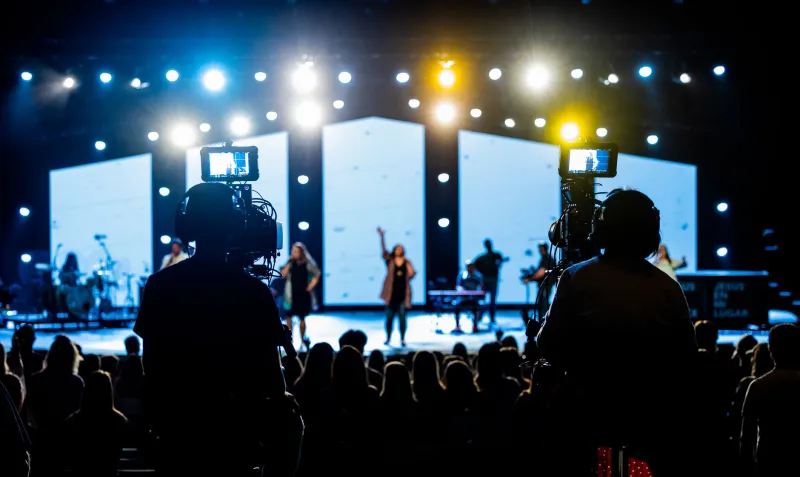
Here's the thing about mid-size theaters: they're gorgeous, they're comfortable, and they can absolutely kill a show's energy. A 1,500-cap venue that's half-full feels like a funeral. Even a sold-out 1,200-seat room can create this weird invisible wall between the stage and the crowd — all that distance, all those seat assignments, the general vibe of please remain in your designated area bleeding into the room before the first note drops.
Compare that to a 400-cap club on a Tuesday where everyone came specifically because they heard this band was worth showing up for. There's no casual foot traffic in a basement show. No one stumbled in from the parking lot because the ticket was cheap. Every single person in that room made a choice, and you can feel that collective intention in the air like a second atmosphere.
That's not a romantic notion. That's physics and psychology working together in your favor.
"Selling Out 300 Feels Better Than Half-Empty 900"
We talked to a handful of touring acts who've made this call recently, and the reasoning is consistent even when the words are different. One guitarist from a Chicago-based band that's been grinding the midwest circuit for six years put it plainly: "We played a theater run last spring because we thought we were ready for it. Technically, some nights we were. But the shows that actually felt like something? The ones we still talk about? Those were the 300-cap clubs where people were losing their minds three feet from the monitors."
A vocalist from a Pacific Northwest act that's been building serious streaming numbers had a similar take: "There's this pressure to keep leveling up the room size like it's a video game. Like if you're not constantly playing bigger venues, you're failing. But I've had more real conversations with fans after a 450-seat show than after anything we've done in a larger room. The intimacy isn't just a vibe — it's the whole point of what we do."
This isn't nostalgia for the sake of it. These aren't bands romanticizing their broke years. These are acts making a strategic and emotional choice to protect something that bigger venues tend to erode.
What 'Success' Looks Like When You Stop Chasing Capacity
The alt-rock ecosystem has always had a complicated relationship with mainstream definitions of success. But the venue-downsizing movement takes that tension to a new place. It's one thing to reject the major label system or refuse to license your music to a car commercial. It's another to actively choose a smaller room when a bigger one is available.
What these bands are really doing is redefining the metric. Instead of how many seats did we fill, the question becomes how hard did this room go and how many people left feeling like something real happened to them tonight.
That shift matters beyond the feel-good narrative. There's a practical argument here too. A band that sells out a 500-cap venue in twelve cities builds a tighter, more loyal fanbase than one that plays to scattered crowds in 1,500-seat rooms. The economics aren't always worse — merch sales per head tend to be higher in smaller venues, the crowd energy drives word-of-mouth harder, and the story of "they played our basement" travels further in online fan communities than "I saw them at the Paramount."
The Sweat Is the Feature, Not the Bug
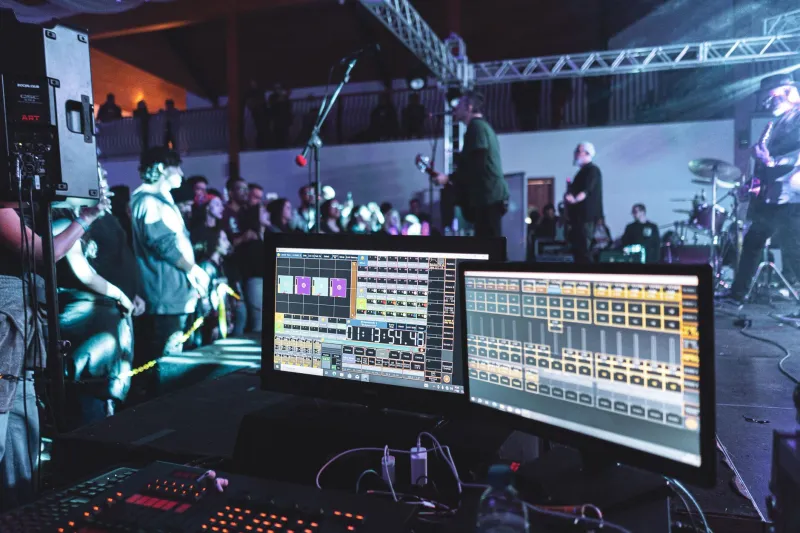
There's something else worth naming here: the physical experience of a small venue show is categorically different from anything a larger room can replicate. We've written a lot on this site about what bass frequencies do to the human body, how sound at the right volume and proximity becomes something you feel before you hear it. That phenomenon is exponentially more powerful when the PA is six feet from your face and the room has nowhere for the energy to go except back into the crowd.
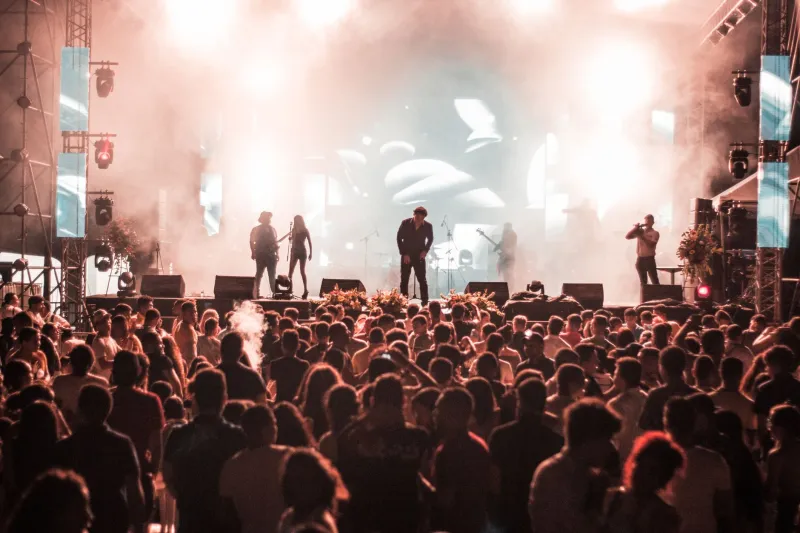
A packed basement show has a feedback loop that larger venues literally cannot produce. The crowd's energy hits the band, the band turns it up, the room gets louder, the crowd gets wilder — and it all happens in a compressed, almost pressurized space that amplifies every element of the performance. You can't engineer that in a 2,000-seat amphitheater with a lawn section.
Bands who've felt that loop know it's addictive. And once you've experienced a crowd that's physically unable to not move because the room is too small and the sound is too good and everyone is in it together — playing to a seated theater crowd starts to feel like a step backward even when it looks like a step up.
The Underground Is Having a Moment (Again)
This isn't happening in a vacuum. Across the US, DIY venues, all-ages spaces, and independent clubs are seeing renewed interest from acts who could theoretically be elsewhere. There's a cultural current running through alt-rock right now that's pushing back against the festival-circuit, streaming-first, brand-partnership model of band-building. The intimacy movement is part of that larger pushback.
It's the same energy that drives bands to press vinyl when digital is cheaper, to do in-store performances when they could just post a session online, to stay after every show and talk to the twenty people who waited by the merch table. It's a rejection of the idea that scale is the only valid form of progress.
And honestly? It's some of the most exciting stuff happening in the genre right now. The bands leaning into this aren't playing small because they have to. They're playing small because they understand something that the industry keeps trying to optimize away: the whole reason anyone fell in love with rock music in the first place was because it felt like it was happening to you, not at you.
Turn It Up in a Smaller Room
If you're a band reading this and you've been feeling the pull toward bigger venues because that's what the trajectory is supposed to look like — maybe sit with this for a minute. The 500-cap sold-out show where people are screaming every word back at you isn't a stepping stone. For a lot of the best acts working right now, it's the destination.
The rooms are smaller. The truth is louder. That's not a compromise. That's the whole thing.