Loud Enough to Break Your Heart: Why Alt-Rock Is Falling Back in Love With the Slow Burn
There's a moment in a great power ballad — you know the one — where everything drops out except maybe a single guitar or a piano, and the vocalist just leans in. Your chest tightens. The hair on your arms does its thing. And then, when the full band crashes back in, it feels like the world is ending in the best possible way.
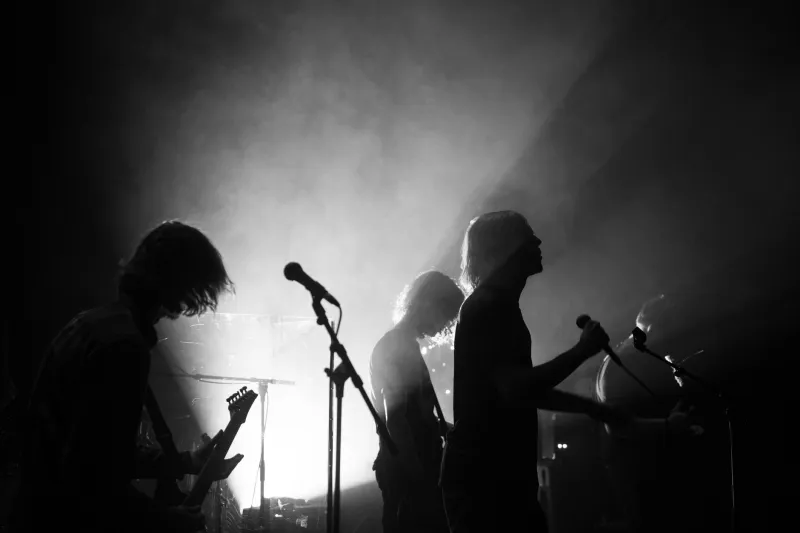
For a while, that moment felt almost embarrassing to chase. The mid-2010s indie wave turned "restrained" into a virtue, and big dramatic rock songs got quietly shelved somewhere between irony and underproduction. But something has shifted. Walk into any decent alt-rock show in the US right now and you'll feel it — bands are letting their songs breathe, letting them build, and then absolutely leveling the room when the moment arrives.
The power ballad is back. And honestly? It never should've left.
What We Actually Mean When We Say "Power Ballad"
Let's get one thing straight before we go further: we're not talking about hair metal cheese or overwrought stadium anthems that belonged on a movie soundtrack in 1987. The power ballad, in its most honest form, is a structural technique as much as it is a vibe. It's the deliberate manipulation of tempo, dynamics, and emotional intensity to create contrast — and contrast, as anyone who's studied even basic music theory will tell you, is what makes a listener feel something.
The 90s did this extraordinarily well. Think about the architecture of a Smashing Pumpkins deep cut, or the way Soundgarden could turn a slow, aching verse into a wall of distorted catharsis. These weren't soft songs. They were songs that understood how to make the loud parts louder by making the quiet parts matter.
What's happening in contemporary alt-rock right now is a reclamation of that philosophy — filtered through modern production sensibilities and a generation of artists who grew up listening to both Radiohead and Phoebe Bridgers in the same afternoon.
The Science of the Drop and the Swell
Here's where it gets genuinely interesting. From a psychoacoustic standpoint, the human brain doesn't just passively receive music — it predicts it. When a song establishes a pattern and then violates that pattern (by stripping down to near-silence before a massive dynamic swell, for example), the brain releases dopamine in response to the surprise. This is sometimes called the "chills" response or, more formally, musical frisson.
Power ballads are essentially dopamine delivery systems with good hair.
The slow build creates anticipation. The quiet section creates tension. The explosive return pays off both simultaneously. When a band nails this structure live, it doesn't just sound good — it physically affects the audience. Heart rates spike. People involuntarily close their eyes. Some cry. Some scream. Sometimes both.
Bands that understand this are essentially playing their audiences like instruments. And the best ones are doing it with surgical precision.
What's Driving the Shift Right Now
So why now? Why is 2024-era alt-rock suddenly interested in drama again?
A few things are converging at once.
First, there's a genuine emotional exhaustion in the culture. The last several years have been relentlessly heavy for a lot of Americans, and minimalist, detached music — however beautiful — doesn't always give people a place to put what they're carrying. Big, cathartic rock songs do. They give you permission to feel things loudly, which is something a lot of people are desperately hungry for right now.
Second, streaming has quietly changed how artists think about song structure. In the early days of playlist culture, there was enormous pressure to hook listeners in the first ten seconds or risk a skip. That pressure pushed a lot of bands toward front-loaded, immediate songs that left little room for slow builds. But the data is shifting. Listeners are increasingly rewarding songs with longer play times, higher replay rates, and emotional depth — all things that a well-constructed power ballad delivers in spades.
Third — and this one's important — the live music scene is booming again post-pandemic, and artists have rediscovered what a room full of people actually responds to. Hint: it's not the same thing that works in earbuds on a commute. A song that builds and explodes in a 500-cap venue is a completely different creature than it is on Spotify, and bands are writing accordingly.
How Today's Bands Are Building the Slow Burn
The modern alt-rock power ballad isn't just a retro throwback — it's a hybrid. Artists are taking the emotional architecture of 90s rock and running it through contemporary production tools that give them way more control over dynamics than their predecessors had.
Layered reverbs on guitars that feel cavernous in the verses but tighten up when the chorus hits. Drum programming that supplements live kits to add weight at exactly the right moment. Vocal production that stays raw and intimate in the quiet sections and gets just slightly more processed when the song opens up — not enough to notice consciously, but enough to feel.
Lyrically, the best of these songs aren't going for the broad emotional strokes of classic power ballads. They're more specific, more personal, more willing to sit in ambiguity. The drama isn't coming from theatrical gestures — it's coming from the gap between something small and vulnerable and the enormous sound that surrounds it.
That tension between the intimate and the overwhelming? That's the sweet spot. That's where the good stuff lives.
Turn It Up to Feel It Down
Here's the thing about a great slow burn of a song: you don't just hear it. You survive it. You come out the other side of three and a half minutes feeling like something happened to you — like the song took you somewhere and left you changed, even slightly.
That's not a small thing. In a music landscape that sometimes feels like it's optimized for background listening, a song that demands your full attention and rewards it with genuine emotional payoff is almost radical.
Alt-rock bands are figuring this out again. They're learning — or relearning — that slowing down isn't a weakness. That a quiet moment isn't wasted space. That the most powerful thing you can do before you turn it all the way up is to make the audience lean in, hold their breath, and wait.
Because when that drop finally comes? They won't just hear it.
They'll feel it in their bones.
